Trailguard Sawback Field Survival Knife - Matte Steel
11 sold in last 24 hours
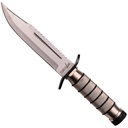
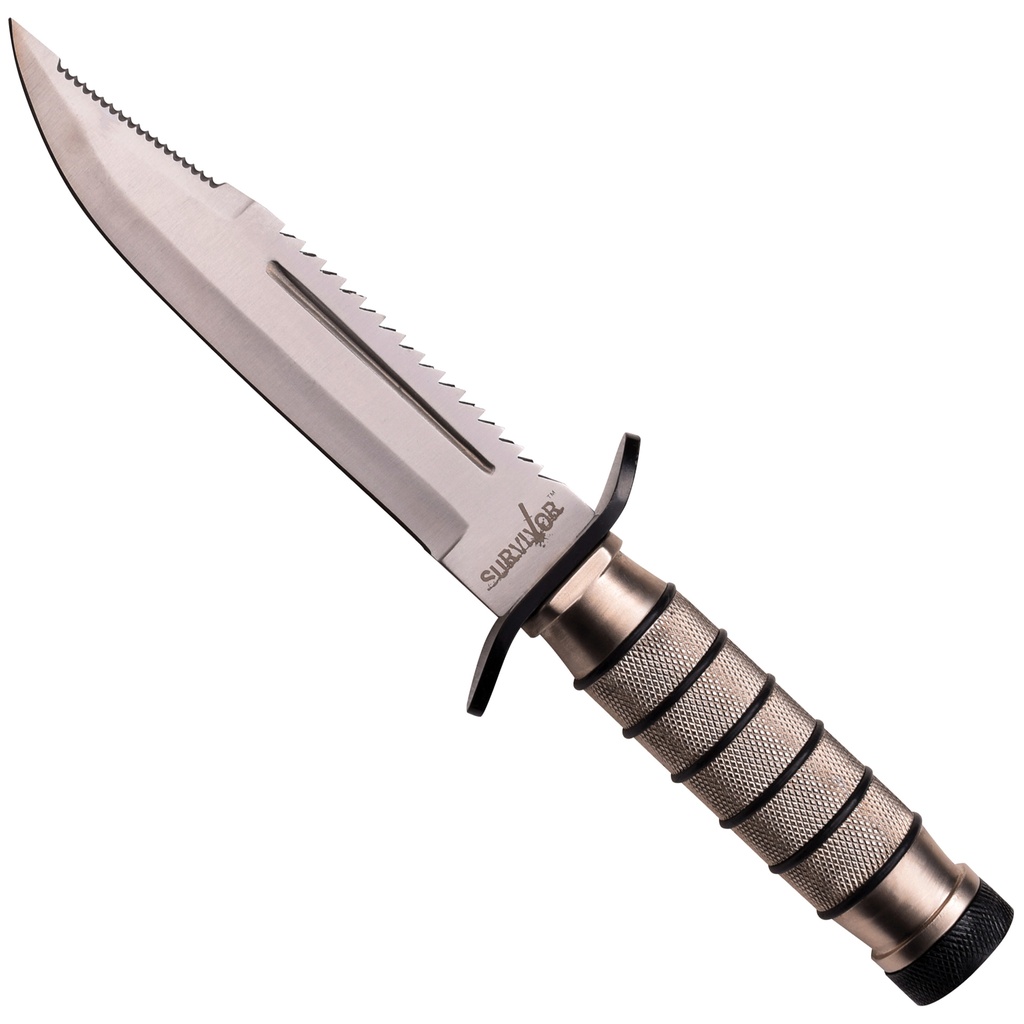
This isn’t a toy; it’s a trail answer. The Trailguard Sawback Field Survival Knife pairs a 5-inch matte steel clip point with partial serrations, a spine saw, and full-tang strength. The knurled metal handle carries its own field kit—matches, needle and thread, fishing hook and line, and a compass—because dead weight doesn’t ride on your belt. At 9.5 inches overall and 10.56 ounces, it hits the balance between chopping power and controlled, precise work when the plan and the weather both turn.
Trailguard Sawback Field Survival Knife - Matte Steel
The Trailguard Sawback Field Survival Knife is built for the part of the trip where the map stops being useful. A full-tang matte steel blade, a knurled metal handle, and a field kit hidden in the grip turn this from just another fixed blade into a tool that actually earns space on your belt. No flash, no gimmicks—just a survival knife that does the work.
Why This Fixed Blade Survival Knife Matters In The Field
When you carry a survival knife, it either solves problems or it’s dead weight. The Trailguard survival knife leans hard into function: a 5-inch clip point blade with partial serrations, a sawback spine, and a long central fuller for balance and bite. At 9.5 inches overall and 10.56 ounces, it’s big enough to baton, split, and pry, but compact enough that you’ll actually wear it instead of leaving it in the truck.
The blade runs full tang through the knurled metal handle, so there’s no mystery about strength. You’re holding one solid line of steel from tip to butt cap, backed by a simple nylon sheath and belt carry that don’t try to outsmart the terrain.
Blade Materials And Build: Matte Steel Made To Be Used
This is a survival knife meant to be scraped, slammed, and worked hard. The matte steel blade shrugs off glare and cleans up without drama. The clip point gives you a fine working tip for carving and piercing, while the partial serrated edge chews through cord, webbing, and tough fibrous material when a clean push cut is the wrong tool.
Full-Tang Matte Steel With Sawback Spine
The full-tang construction means the blade steel runs straight through the handle—no hidden joints, no fragile pivot, nothing to baby. The upper spine sawback serrations are there for real tasks: notching branches, rough shaping stakes, and chewing through light wood when you don’t feel like unpacking an axe.
Knurled Metal Handle And Flat Butt Cap
The knurled metal handle is segmented with grip rings, giving your hand bite even when wet, muddy, or gloved. The flat butt cap at the end of the handle is built for hammering, tapping in tent stakes, cracking ice, or using as a controlled striking surface when you need to persuade something into place. It’s a practical metal-on-metal build meant to be knocked around.
Field-Kit Survival Knife: Tools In The Handle That Earn Their Weight
What separates the Trailguard from a generic fixed blade is the integrated field kit. Packed into the handle: matches, needle and thread, a fishing hook and line, and a compact compass. Nothing fancy, nothing cute—just the essentials that make the difference when you stayed out too long or the weather turned faster than the forecast.
Matches mean fire when the lighter fails. Needle and thread handle torn gear or clothing before it becomes a real problem. Hook and line give you a shot at calories when the planned haul didn’t happen. The compass is there to re-orient when trails vanish and visibility drops. All of it rides in the same footprint as your knife, so you’re not juggling a pocket full of loose survival trinkets.
Balanced Size, Real Control
At 9.5 inches overall with a 5-inch blade, the Trailguard sits in the sweet spot between compact camp knife and full-on chopper. The 10.56-ounce weight gives it enough authority for light batoning, notching, and splitting kindling, but it’s still quick in the hand for feathering sticks, food prep, and finer carving. The crossguard keeps your fingers off the edge when you’re working hard, and the central fuller helps keep the weight from feeling blade-heavy.
Carry And Use: A Survival Knife That Actually Leaves The House
Gear doesn’t help from the closet. This survival knife rides in a simple nylon sheath built for belt carry, ready for camping trips, hunting blinds, truck kits, and bug-out bags. The understated matte silver blade and black hardware don’t shout; they just work. Slip it on your belt and it disappears until you need it—and when you do, you get a solid fistful of steel and a backup kit in your palm.
For campers, hikers, and anyone who keeps a get-home bag in the rig, this is the fixed blade that handles cord cutting, kindling duty, camp chores, and the kind of minor emergencies that turn into major problems when you’re unprepared.
Questions About Brass Knuckles For Sale
Are brass knuckles legal to buy?
Brass knuckles are legal to buy in some states and restricted or outright banned in others. States like Texas and Missouri now allow brass knuckles, while places such as California and New York still treat them as prohibited weapons. Laws often separate simple possession, concealed carry, and intent to use, and those lines matter. If you’re searching for brass knuckles for sale, you’re expected to know your own state and local statutes. Check your current state law before you buy or carry—don’t rely on rumors or outdated forum posts.
What material are quality brass knuckles made from?
Quality brass knuckles are typically made from solid brass, steel, or other dense metals. Collectors often favor solid brass knuckles for the weight, patina, and classic look, while steel and alloy pieces appeal to those who want a harder, more abuse-tolerant build. Cheap pot-metal castings and light novelty pieces don’t belong in a serious collection. Whether you’re chasing heavy solid brass knuckles, steel knuckles, or more modern alloy variations, density, clean machining, and consistent finish separate real gear from swaps-meet junk.
What should I look for when buying brass knuckles?
When you look for brass knuckles for sale, focus on three things: legality, material, and execution. First, confirm they’re legal to own where you live. Next, look for solid brass, steel, or similarly dense metal—not brittle cast junk. Finally, inspect the design: finger holes sized for adult hands, smooth inner edges, consistent finish, and a shape that fits your grip without hot spots. Serious buyers want the same things across the board—real metal, real weight, and build quality that makes sense in a collection or kit.
Why This Survival Knife Belongs In Your Kit
The Trailguard Sawback Field Survival Knife - Matte Steel is the piece you strap on when you don’t plan to fail, but you’re realistic enough to know things go sideways. Full-tang matte steel, a 5-inch clip point with serrations and sawback, knurled metal handle, and an honest field kit in the grip—it’s built for work, not show. If you’re the kind of buyer who searches for brass knuckles for sale, fixed blade survival knives, and hard-use gear instead of shiny toys, this belongs on your belt and in your rotation.
| Blade Length (inches) | 5 |
| Overall Length (inches) | 9.5 |
| Weight (oz.) | 10.56 |
| Blade Color | Silver |
| Blade Finish | Matte |
| Blade Style | Clip Point |
| Blade Edge | Partial-Serrated |
| Blade Material | Steel |
| Handle Finish | Matte |
| Handle Material | Metal |
| Theme | Survival |
| Handle Length (inches) | 4.5 |
| Tang Type | Full Tang |
| Pommel/Butt Cap | Flat |
| Carry Method | Belt Carry |
| Sheath/Holster | Nylon Sheath |