Shift-Ready Control Patrol Handcuffs - Nickel Plated
13 sold in last 24 hours
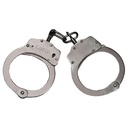
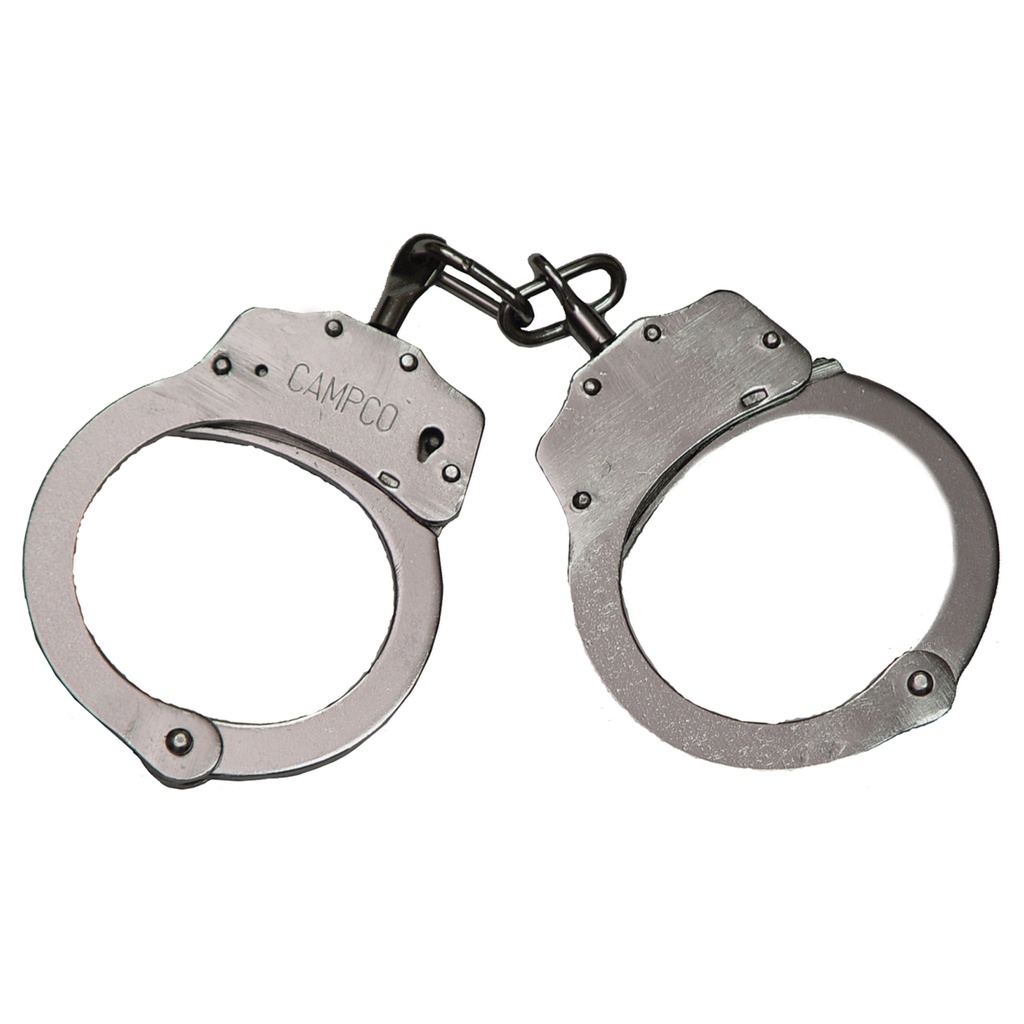
These Field-Pro double-lock patrol handcuffs are built the way duty cuffs should be: nickel plated steel, welded chain, and a crisp ratchet you can feel. The double lock stops over-tightening, the standard police key matches major brands, and the finish holds up under real use. This is straightforward restraint gear for professionals who care more about function than flash.
Field-Pro Patrol Handcuffs Built For Real Work
The Field-Pro double-lock patrol handcuffs are exactly what they look like: no-nonsense, nickel plated steel duty cuffs meant to be used, not admired from a distance. Classic chain-link design, welded links that don’t flinch under load, and a double-lock mechanism that behaves the same way on a cold sidewalk at 3 a.m. as it does on the bench in your hands.
These aren’t movie props and they’re not novelty restraints. They’re patrol handcuffs built in the familiar format used by law enforcement, security, and training outfits that understand one basic rule: if your cuffs fail, everything else you did that night doesn’t matter.
Material and Build Quality That Earn Their Keep
The base is steel, the finish is nickel plated, and nothing about that is accidental. Steel gives these handcuffs the backbone to handle real-world torque, strain, and sudden resistance. The nickel plating adds corrosion resistance and that bright, professional look that’s instantly recognizable on a duty belt or training rig.
Nickel Plated Steel With a Purpose
Nickel plating isn’t just for shine. On these patrol handcuffs, it acts as a hard shell against sweat, weather, and the quiet abuse that comes from being slammed against railings, patrol car interiors, and concrete. The finish catches the light, but more importantly, it shrugs off the grind that would chew up cheaper coatings.
Welded Chain Links, Classic Duty Geometry
The chain between the cuffs is welded, not slapped together with flimsy hardware. That welded construction is what lets the links carry the load without stretching or deforming when someone decides they don’t feel like cooperating. The geometry of the cuffs themselves is classic: rounded edges at the wrist openings, swing arms that arc smoothly into place, and multiple rivet points anchoring the housing.
You’re not getting a reinvention of the wheel here. You’re getting the wheel done correctly.
Double-Lock Patrol Handcuffs That Feel Right In Hand
Field gear lives or dies by feel. These double-lock patrol handcuffs have that familiar, reassuring ratchet click when you swing them closed. You can feel each tooth seat as the swing arm tracks into the body. That tactile feedback matters when you’re working fast, in the dark, and you don’t have time to baby your equipment.
The double lock is standard, exactly where your muscle memory expects it, with a pinhole on each cuff body. Once you set the lock, the swing arm won’t over-tighten. That’s more than a convenience—it’s control. You set the fit, you freeze it, and you move on.
Weight-wise, they sit in that familiar duty zone: heavy enough to feel substantial and predictable in hand, light enough that they don’t turn your belt into an anchor. Balance is right over the chain, so flipping and positioning them during application feels natural.
Standard Key Compatibility and Professional Fit
These Field-Pro handcuffs use a standard police key that matches major brands. That one point alone makes them viable for anyone working in mixed environments—law enforcement, private security, in-house corporate teams, or training programs that don’t want a mess of incompatible keys floating around.
Throw them in a pouch with Smith & Wesson or Peerless keys and they’ll play along. That compatibility reduces friction in the field and in training. Lose the key that came with them? The spares you already have on your ring will get the job done.
The overall layout is compact and familiar: chain link style with a short welded chain between cuffs and nickel housings that sit clean on a belt or in a case. The CAMPCO marking is discrete but clear—a little stamp of identity without shouting about it.
Legal and Practical Context for Patrol Handcuffs
Handcuffs like these are legal to own in most of the United States for law enforcement, private security, training, and personal use, but how and where you use them is governed by state and local law. The hardware itself is straightforward; the rules around impersonating an officer, detaining someone, or carrying restraints in certain settings are what you need to pay attention to.
In plain terms: owning patrol handcuffs is generally not the issue—misusing them is. Many states crack down hard on anyone who uses cuffs in the course of pretending to be law enforcement or who decides to play vigilante with them. If you’re buying for duty, you already know your policy book. If you’re buying for training or collection, check your local statutes on use and carry and you’ll stay out of the ditch.
Collector, Trainer, or Working Shift—Why These Cuffs Belong In Your Kit
For a working officer or guard, these Field-Pro double-lock patrol handcuffs make sense as a primary or backup pair: nickel plated, durable, compatible, predictable. For a trainer, they slot cleanly into a program that needs standardized, chain-link duty cuffs that behave like the real thing without introducing oddball mechanisms or gimmicks.
Collectors who track the evolution of restraint gear will recognize the value in a modern, workmanlike pair like this—CAMPCO-marked nickel steel with welded chain and standard double-lock. They’re a snapshot of current duty design: nothing extra, nothing missing, and all the familiar cues that mark them as serious equipment.
You’re not buying mystery metal or some novelty shop toy. You’re buying nickel plated steel handcuffs that do exactly what they’re supposed to, in the format professionals expect.
Questions About Brass Knuckles For Sale
Are brass knuckles legal to buy?
In the United States, brass knuckles are treated very differently from handcuffs. Some states allow you to buy and own brass knuckles outright, some restrict carry, and others ban them outright. States like Texas, Arizona, and a handful of others now allow brass knuckles, while places like California and New York treat them as prohibited weapons. Before you start hunting brass knuckles for sale, you check your state and local statutes, not social media rumors. The law doesn’t care what you meant; it cares what you carried and where.
What material are quality brass knuckles made from?
Serious brass knuckles are usually cut or cast from solid brass, steel, or aluminum alloys—not pot metal or mystery castings. Solid brass knuckles carry more weight and a traditional look; steel versions trade a bit of that old-school warmth for raw strength and durability. Aluminum knuckles trim weight and bulk while still giving you a rigid, dependable frame. Collectors pay attention to the cut quality, edge finishing, and whether the piece is machined, cast, or CNC’d.
What should I look for when buying brass knuckles?
If you’re buying brass knuckles, you look at three things: legality where you live, the material, and the workmanship. You want clear information on whether you can legally own and carry them in your state. You want solid brass, steel, or quality aluminum, not brittle junk. And you want clean finger holes, no sharp casting flash, and a finish that doesn’t flake in your hand. Anything less is just costume hardware.
Confident Purchase, No Nonsense Gear
The Field-Pro double-lock patrol handcuffs aren’t trying to impress you with gimmicks. Nickel plated steel, welded chain, double lock, standard key—done. If you’re the kind of buyer who looks for brass knuckles for sale in legal states and expects the same direct, unapologetic approach to every piece of gear you own, these cuffs will feel right at home on your belt, in your training bag, or in your collection drawer.