
Command-Grade Double Lock Duty Handcuffs - Tactical Black
15 sold in last 24 hours
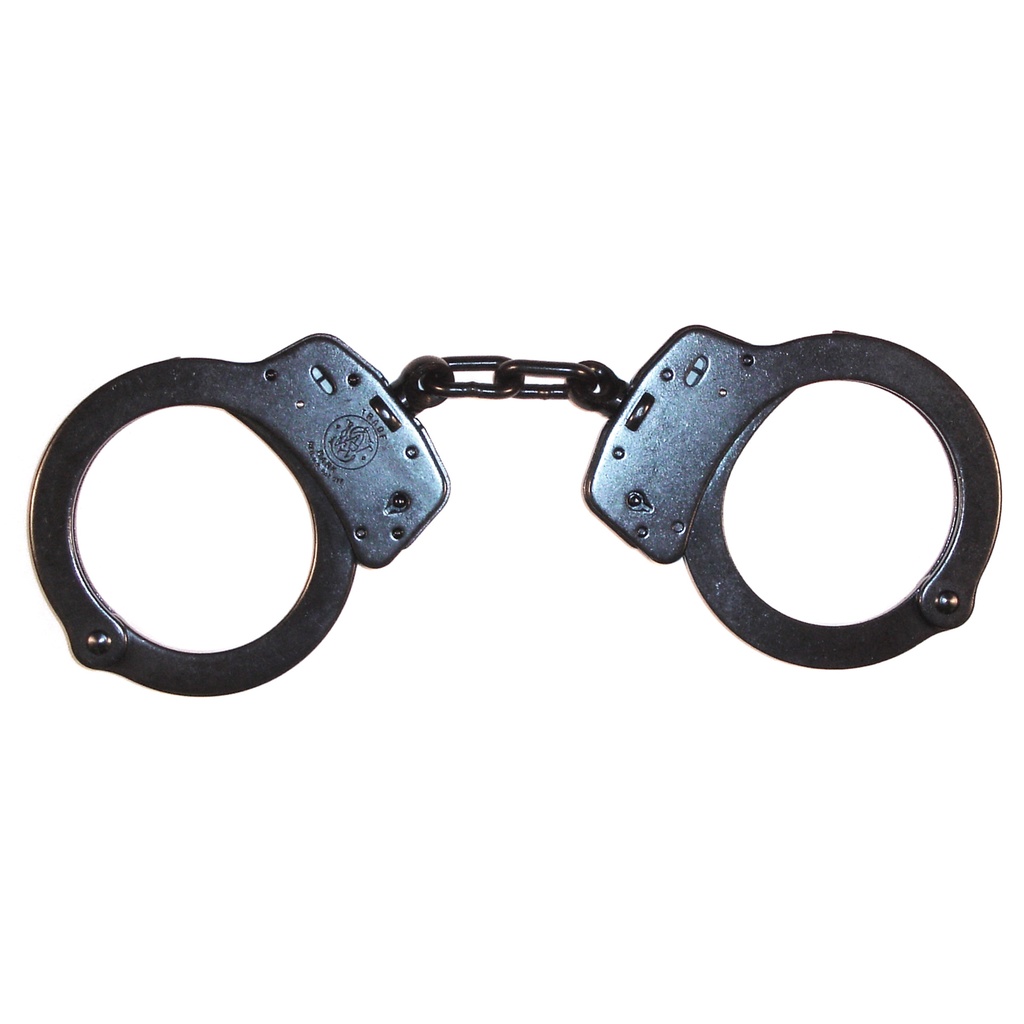
These Smith & Wesson handcuffs are built for people who actually use their gear. Double-locking, chain-link, and cut from heat-treated carbon steel, they hold up to real restraint work without whining about it. The matte black finish keeps reflection low and profile lean, exactly what you want on a duty belt or in a security kit. You’re buying proven hardware from a name that’s been around the block, not toy-store props.
Command-Grade Double Lock Duty Handcuffs - Tactical Black
These aren’t props, and they don’t pretend to be. Smith & Wesson’s black chain-link handcuffs are exactly what they look like: professional-grade restraints built from heat-treated carbon steel, double-locking, and meant for real-world control. If you run a belt, a rig, or a kit and you want handcuffs that match your standards, this is the kind of hardware you buy once and rely on.
Professional Handcuffs Built For Real Work
Smith & Wesson didn’t reinvent anything here, and that’s the point. These are classic chain-link handcuffs, tuned for reliability and strength. Heat-treated carbon steel gives the cuffs the backbone they need under stress, while the rounded inner edges keep them controlled on the wrist without unnecessary bite. The swing-through arm snaps cleanly, locks with authority, and the double-lock system keeps them where you set them.
The matte black finish isn’t a fashion statement; it’s practical. Reduced glare, low profile, no chrome flash. On a duty belt, security rig, or training line, they look like what they are: serious, no-nonsense restraints from a manufacturer whose name still carries weight.
Material and Build Quality That Justifies the Purchase
Heat-treated carbon steel is what separates professional handcuffs from cheap pot-metal toys. These cuffs are built to handle actual load, torsion, and the reality that people don’t always cooperate when they’re restrained. The riveted pivot points, precise teeth, and solid lock housings all point to a tool designed by a gun-and-gear company that understands what failure looks like — and designs away from it.
Heat-Treated Carbon Steel Construction
Heat treatment takes ordinary carbon steel and turns it into something that holds up under abuse. The bodies, arms, and locking components on these handcuffs are made to resist bending and warping far beyond what bargain-bin restraints can handle. If you’re buying once and expecting years of service, this is the material you want around a wrist.
Matte Black Tactical Finish
The matte black finish keeps reflection low and profile subdued. In uniform, private security, or training environments, black cuffs read professional and utilitarian. They blend with black nylon, leather, and polymer gear instead of screaming for attention. The finish also adds a layer of corrosion resistance over the carbon steel core.
Why These Handcuffs Belong In a Serious Kit
If you’re carrying handcuffs, they’re not decoration. You need them to close cleanly, lock decisively, and stay locked where you set them. The double-lock mechanism on these Smith & Wesson handcuffs gives you that control. Once engaged, it prevents over-tightening and keeps the arm from ratcheting further, which matters in real restraint work and controlled training alike.
The standard chain-link style gives you enough flex between wrists to maneuver, transition, and position a subject without fighting rigid bars. It’s the pattern that’s been on police belts and security rigs for decades for a reason: it works, it’s predictable, and it plays well with standard procedures and training.
Legal, Professional Restraints For Law Enforcement and Security
Handcuffs like these Smith & Wesson tactical black restraints are legal to buy for adults across the United States. They’re recognized as professional tools for law enforcement, private security, corrections, and serious training environments. If you’re running a security company, outfitting a duty belt, stocking a training facility, or building a realistic kit, these are the kind of handcuffs you expect to see — real, functional, and built for actual use.
Laws are always local, and if you’re operating in a regulated environment, you already know you’re expected to follow your department, agency, or company policy. But as a product, these handcuffs sit squarely in the category of standard professional restraints — the same basic pattern you’ve seen on patrol officers, transport teams, and security details for decades.
Details That Matter To Working Pros and Collectors
What separates throwaway restraints from kit-worthy handcuffs is the accumulation of small details. These Smith & Wesson cuffs have:
- A smooth, positive swing-through action that closes with one hand without fumbling.
- Rounded inner edges on the cuffs to reduce unnecessary wrist abrasion during application.
- Standard keyholes on each cuff housing, compatible with common handcuff keys.
- A three-link chain that strikes the right balance between control and mobility.
- Smith & Wesson branding stamped into the body, signaling professional lineage, not novelty origin.
For collectors of law-enforcement style gear, the black finish and Smith & Wesson mark make these an easy fit alongside duty pistols, batons, and other restraint tools. They’re modern, not antique, but they carry the same visual language that’s defined American patrol gear for years.
Questions About Brass Knuckles For Sale
Are brass knuckles legal to buy?
In the U.S., brass knuckles sit in a different legal category than professional handcuffs. Some states allow brass knuckles to be bought and owned, some restrict carry, and some ban them outright. The phrase “brass knuckles for sale legal states” covers a patchwork of laws: places like Texas and Arizona now allow brass knuckles, while others still treat them as prohibited weapons. If you’re looking to buy brass knuckles, you check your state and local statutes, because enforcement lines are drawn differently from one jurisdiction to the next.
What material are quality brass knuckles made from?
Serious brass knuckles — the kind collectors actually care about — are typically made from solid brass, steel, or high-grade aluminum. Solid brass knuckles have that dense, old-world feel and a patina that ages into character. Steel brass knuckles trade a bit of that warmth for even more strength and a colder, sharper aesthetic. Lighter alloys and aluminum pieces appeal to people who want profile without bulk. In every case, serious buyers look for clean machining, consistent thickness, and no brittle cast junk.
What should I look for when buying brass knuckles?
If you’re looking at brass knuckles for sale, you already know what they are. What you care about is build and legality. Check the material first: solid brass, steel, or properly machined aluminum, not mystery metal. Look at the finish — even edges, no casting flash, finger holes sized like they were made for actual human hands. Then verify your state laws on buying and owning brass knuckles, so when you buy brass knuckles you’re doing it cleanly. After that, pick the piece that matches your taste: old-school brass, tactical black, or something that earns a place in your collection case or kit.
When you’re done scrolling past flimsy hardware and novelty junk, tools like these Smith & Wesson tactical black handcuffs and serious brass knuckles for sale draw a clear line. You either buy gear built for real work and real collectors, or you don’t. If you’re in the first group, you already know where these belong.